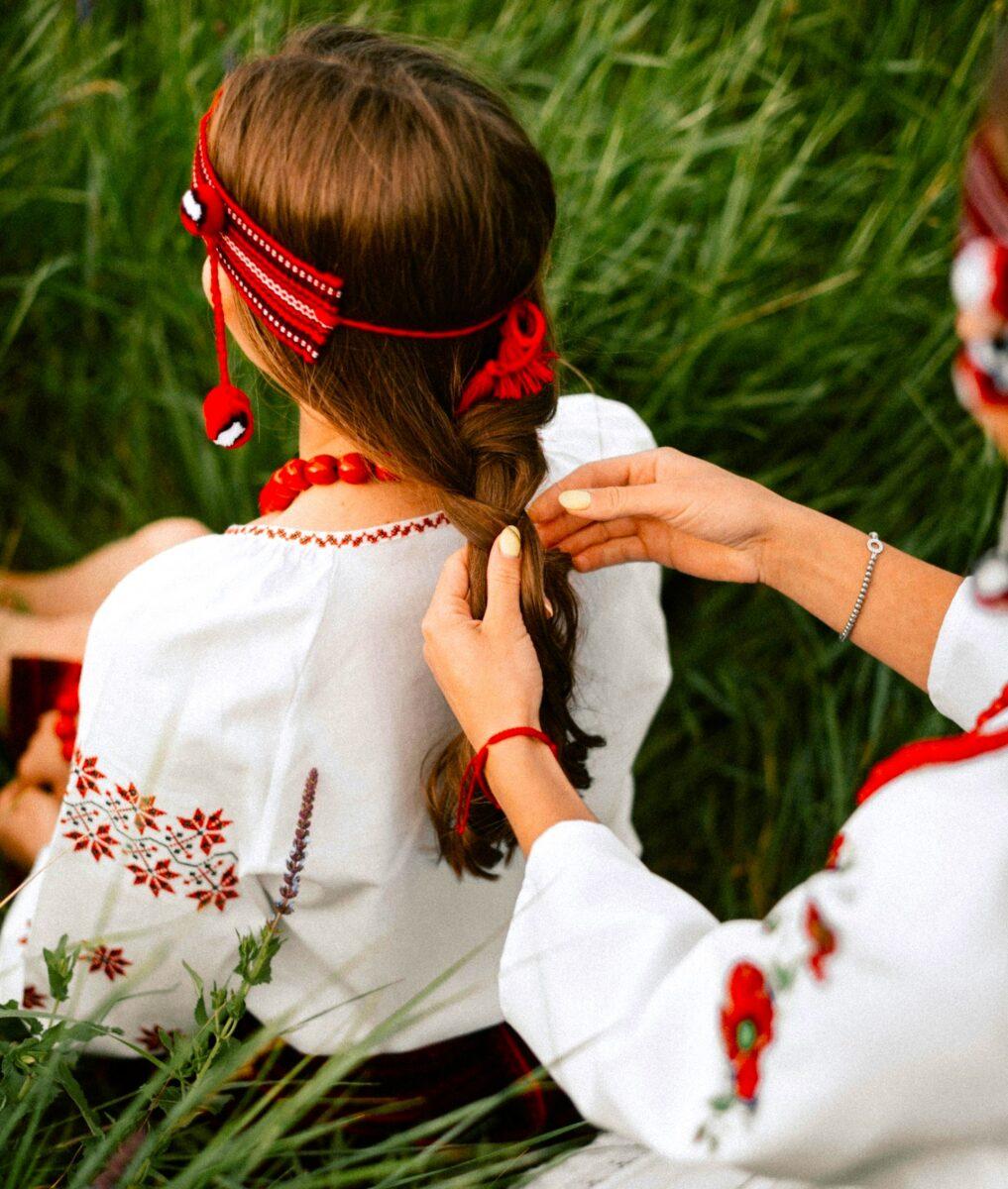
In the colorful world of Ukrainian embroidery patterns, symbols do not simply decorate fabric; they serve as codes and symbols protecting people.
When Russia launched a full-scale invasion of Ukraine, Kyiv native, embroiderer and designer Tetiana Protcheva directed her talent toward guerrilla artistic activity. Combining ancient Ukrainian folk art with modern technologies, Tetiana creates embroidered QR codes filled with digital resources that describe Ukrainian culture in detail. “My mission is to travel around the whole world and show people Ukraine through embroidery,” she said.
 The artist’s works have been exhibited at international exhibitions, EXPO 2020 in Dubai, EXPO 2010 in Shanghai, EXPO 2005 in Japan, and in other countries, spreading information about Ukraine’s rich heritage throughout the world. In 2010, Tetiana Protcheva opened the GLOW ART Embroidery Museum in Kyiv, where she conducted master classes. Her works are also registered in the “Book of Records of Ukraine.”
I met Tetiana on the veranda of a house in Toronto, where she now lives. Holding an ancient rushnyk—a decorative ritual cloth used to cover religious icons—and accompanied by the humming of late-summer cicadas, she told me her story.
When the full-scale war began, Tetiana was working in the Ukrainian pavilion at EXPO 2020 Dubai at the invitation of the Ministry of Economy of Ukraine. The American Winker family, regular visitors to EXPO conferences, was impressed by the art of the Ukrainian artist and, seeing that she had nowhere to return home to, invited Tetiana to stay at their house in Florida. The Winker family hosted Protcheva in their home for a full year.
“I have been living with one piece of luggage for two years,” she said, laughing. Fortunately, her art is quite minimalist. “It is a small QR code with a large amount of information.”
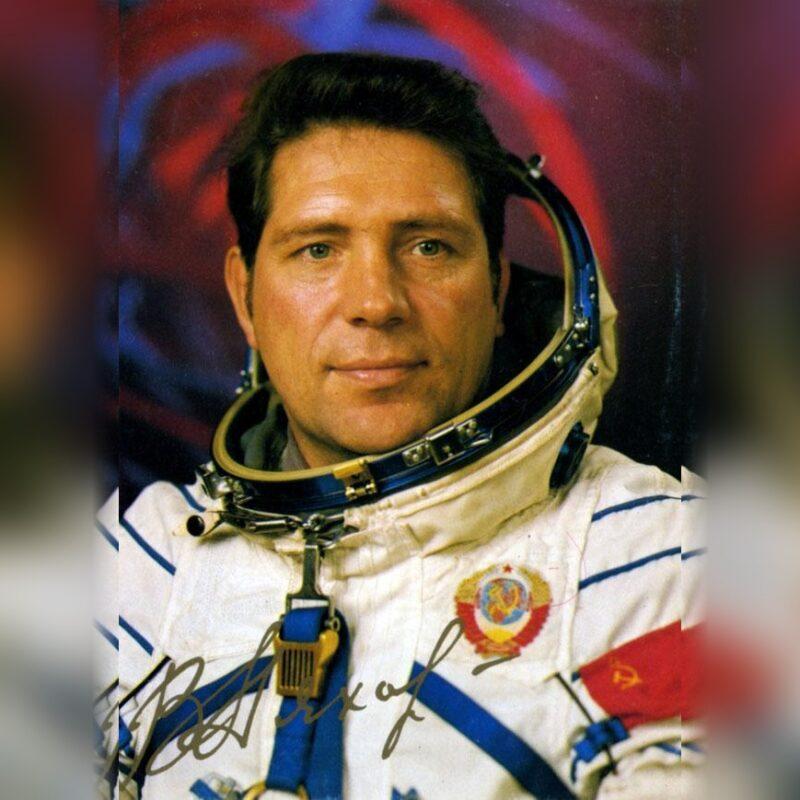
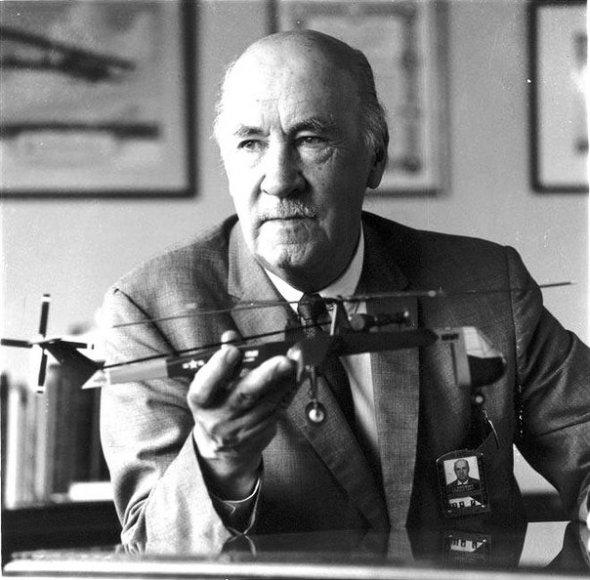
Combining tradition with innovation, Protcheva embroiders QR codes that connect viewers to a rich library of digital content containing information about Ukrainian history and culture. By scanning Ukrainian embroidery with a QR code using a mobile phone, we admire the “Flowers of Ukraine,” feel the fiery rhythm of the “Hopak,” learn about the world’s largest aircraft, the “Mriya,” listen to the Ukrainian national anthem, and can even take a virtual journey to Ukraine! The project is called “Ukraine Is My Home.” On August 24, 2021—Ukraine’s Independence Day—the artist presented it at the Embassy of Ukraine in Stockholm (Sweden), at the EXPO 2020 Dubai exhibition, in Luxembourg, America, and now in Canada.
The importance of encoding hidden information in embroidery cannot be underestimated, since the age-old cultural tradition of embroidery was believed to endow the wearer of such clothing with the protective power of its symbols. For example, the circle symbolizes the sun, which gives strength and vitality, while the archaic diamond represents fertility, abundance, and prosperity. According to ancient tradition, when a young woman became pregnant, she adorned herself with clothing embroidered with diamonds and wore it until the birth of her child.
Thus, Protcheva’s project not only embraces the technological present but also channels the inevitable magic and protection woven into Ukraine’s cultural fabric—a connection that carries even greater weight in the context of Russia’s full-scale invasion.
Although her projects take on new forms, Protcheva consistently finds ways to unite centuries-old Ukrainian folk art with modern materials and technologies.
“In 2005, while working in Japan, I saw that very educated people knew nothing about Ukraine.” This inspired Protcheva to create a giant embroidered map of Ukraine in 2009, into which she incorporated symbols and patterns reminiscent of ancient Trypillian ceramics of the 5th–4th centuries BC. Her goal was to revive these age-old symbols and give them a prominent place on a modern map. Using linen as a canvas, she embroidered each region with the corresponding traditional ethnic motifs, demonstrating the cultural richness and diversity of Ukraine, as well as its unity.
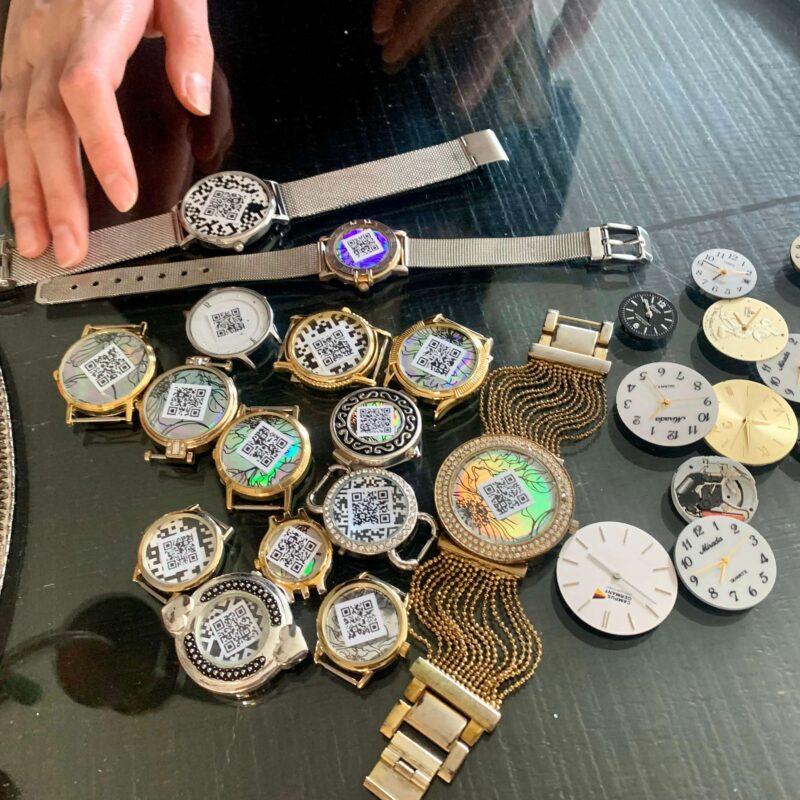
Her new project, “TIME for UKRAINE,” also combines the old and the new. In this project, she combines American pop culture with Ukrainian heritage by embedding QR codes into the cases of antique clocks. Through this, she traces the Ukrainian roots of famous American celebrities, highlighting such key figures as Sylvester Stallone, Steven Spielberg, Leonardo DiCaprio, Andy Warhol, and Chuck Palahniuk. By intertwining the appeal of American celebrities with Ukrainian identity, she increases the significance of Ukraine in the eyes of the American public. “People know these people. I do not have to explain who they are,” she said. Great interest in the project inspired the craftswoman to expand the list of world-famous personalities from different countries who have Ukrainian roots.
Tetiana cannot quantify the digital traffic generated by her efforts, since she links her codes to various sources and websites in order to provide a broad range of information, but she is encouraged to continue her cultural innovations to raise awareness of Ukrainian culture, increase the country’s relevance in the world, and ultimately show that we are all connected, regardless of where we were born.
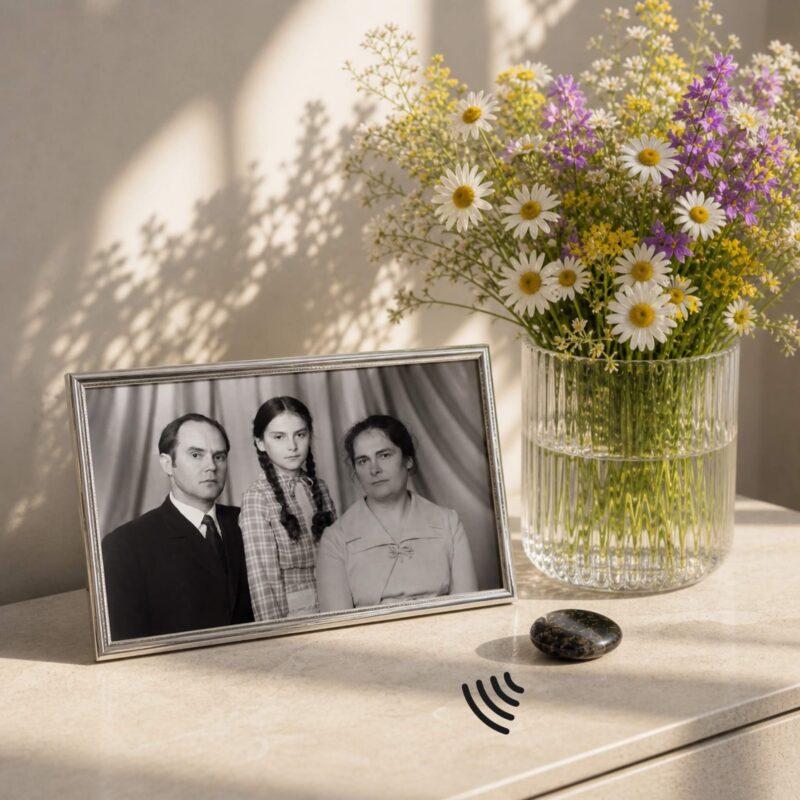
The artist is currently working on creating a new digital project with NFC encoding. She integrates NFC chips into natural stones and then encodes archival photographs and documents in them. “Such stones with encoded information can be passed down through inheritance,” the artist notes.
Despite the fact that Tetiana Protcheva travels the world and follows a philosophy of interconnectedness, she admits that she misses home.
Author of the publication: Oleksandra Kyler, Canada